
Mould Removal & Contamination In
Mould Removal & Contamination Experts
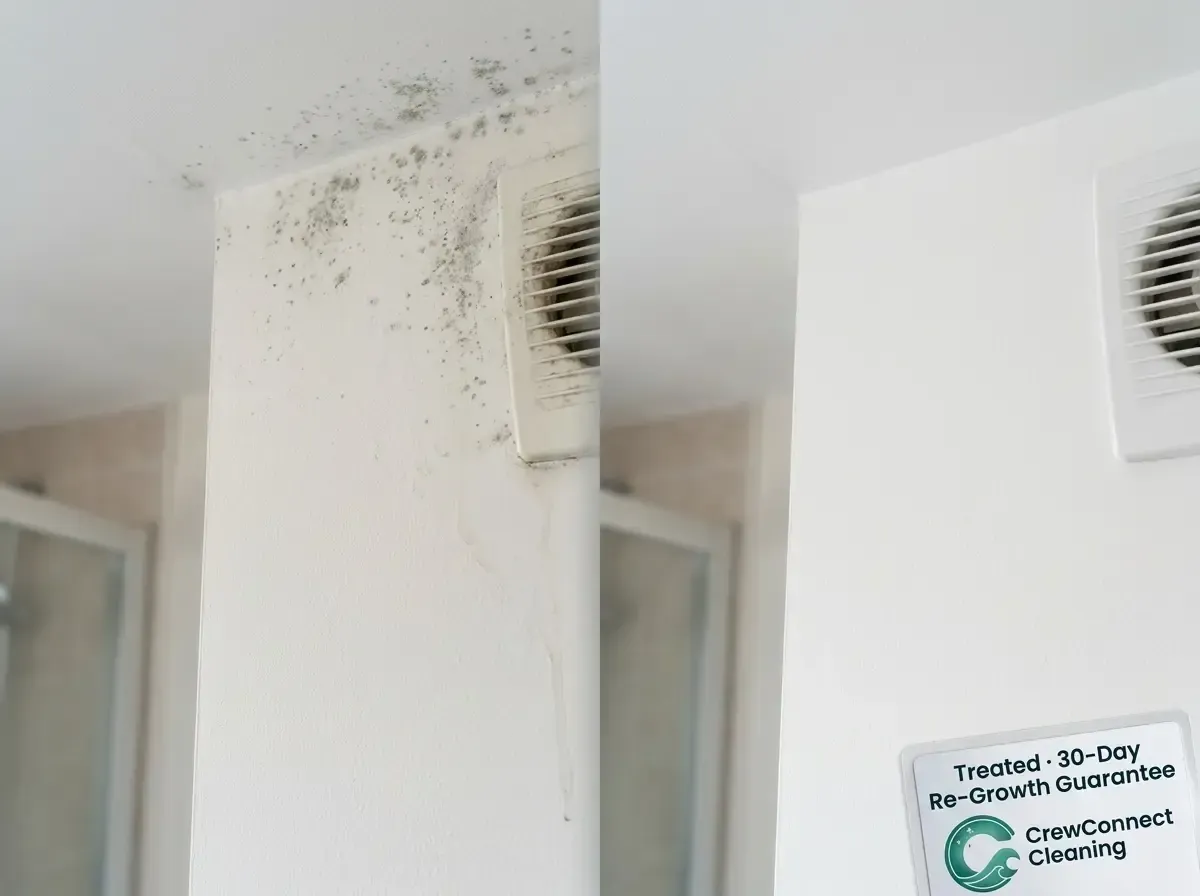
Professional mould removal in Swansea and across South Wales. Wales's wet climate and ageing building stock means mould is a year-round problem — not just a winter issue. If you've got mould spreading across walls, ceilings, or hidden behind fittings, painting over it won't fix it. CrewConnect identifies the root cause, treats the contamination properly, and gives you a clear plan to stop it coming back.
5.0 Stars (21 Reviews)
SafeContractor Approved
24/7 Available
CrewConnect Cleaning
What Is Mould Removal & Contamination?

Mould grows wherever there's moisture, warmth, and poor airflow. In South Wales, that's half the buildings in the region. The combination of high rainfall, coastal humidity, and older properties with limited ventilation creates perfect conditions for mould to take hold.
The most common causes we see across Swansea and the wider area:
Condensation — the number one cause. Poor ventilation traps moisture from cooking, showering, and drying clothes indoors. It settles on cold walls and windows, and mould follows within weeks.
Leaks — roof leaks, pipe leaks, and failed seals around windows and bathrooms. Often hidden inside walls or above ceilings until the mould becomes visible.
Rising and penetrating damp — older South Wales properties without adequate damp proof courses or with deteriorating pointing.
Poor ventilation — sealed-up fireplaces, blocked airbricks, bathrooms without extractors, kitchens without adequate ventilation.
Welsh weather — let's be honest, the climate here works against you. High humidity and frequent rain mean buildings in South Wales are fighting moisture constantly.
Understanding the cause matters because removing mould without fixing the source is a waste of money. It'll be back within months.
CrewConnect Cleaning
When Is Mould Removal & Contamination Necessary?
CrewConnect doesn't just wipe mould off the surface and call it done. We follow a three-stage approach to mould remediation in Swansea and South Wales:
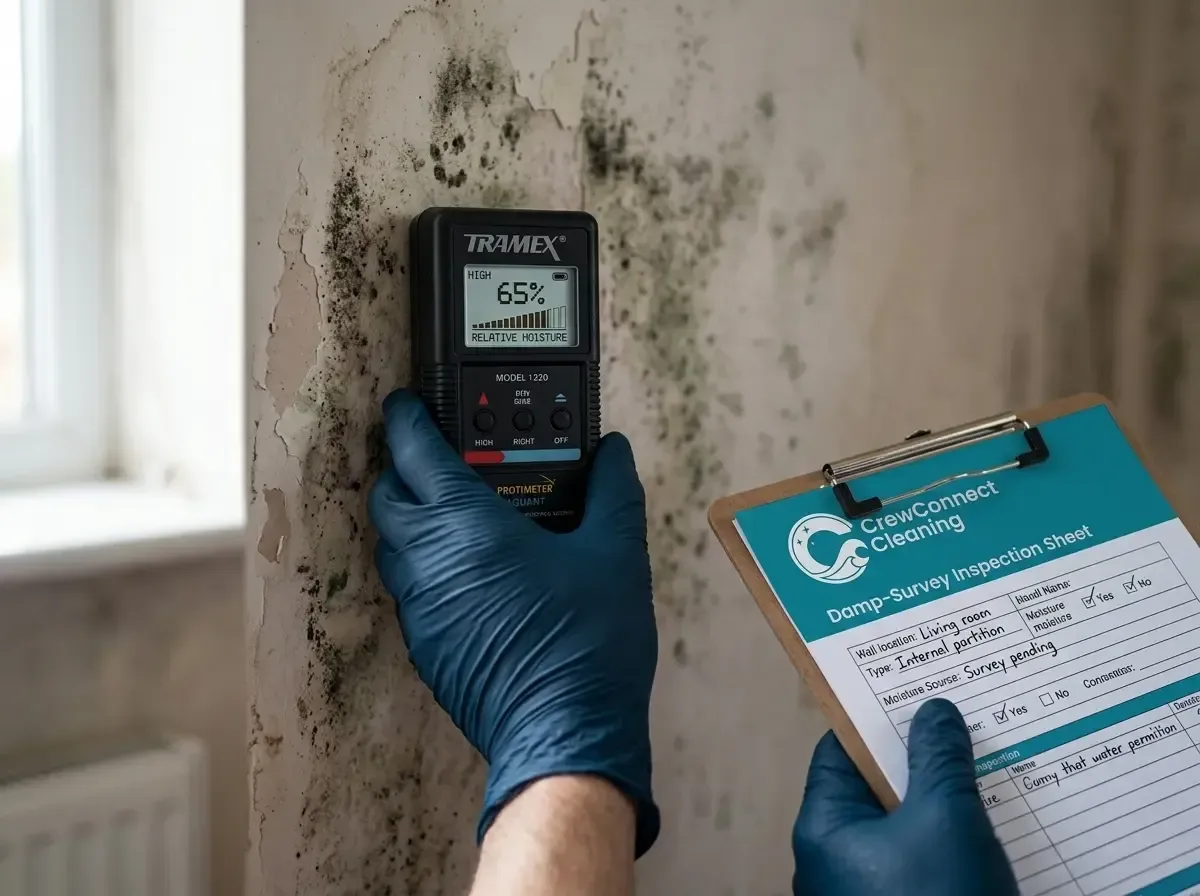
Identify. We assess the affected area, trace the moisture source, and determine the type and severity of the mould contamination. Black mould (Stachybotrys) requires different treatment to common surface mould. We use moisture meters and thermal imaging where needed to find hidden damp behind walls and ceilings.
Treat. Proper mould removal means killing the spores, not just cleaning the visible growth. We use professional-grade biocidal treatments that penetrate surfaces to eliminate mould at the root. For severe contamination, this may include removing and replacing affected materials — plasterboard, sealant, soft furnishings — that can't be effectively treated.
Prevent. This is the step most people skip, and the reason mould keeps coming back. After treatment, we provide clear recommendations on ventilation improvements, moisture management, and maintenance. We'll tell you if you need a plumber, a roofer, or just better extraction — and we'll be straight about what we can fix and what needs another trade.
CrewConnect Cleaning
Commercial & Property Mould
Mould isn't just a problem for homeowners. Landlords, property managers, and commercial premises across South Wales deal with it constantly.
Commercial premises — offices, warehouses, and retail units with mould problems face health complaints from staff, potential HSE involvement, and damage to stock and equipment. We handle commercial mould removal with minimal disruption to your operations.
Rental properties — landlords have a legal obligation to maintain properties free from health hazards, and mould caused by structural issues falls squarely on the landlord. We provide assessment reports that document the cause — useful for insurance claims and tenant disputes.
Property managers — managing a portfolio across South Wales means mould is a recurring part of the job. We offer contract rates for property management companies handling multiple units.
CrewConnect Cleaning
When to Call a Professional
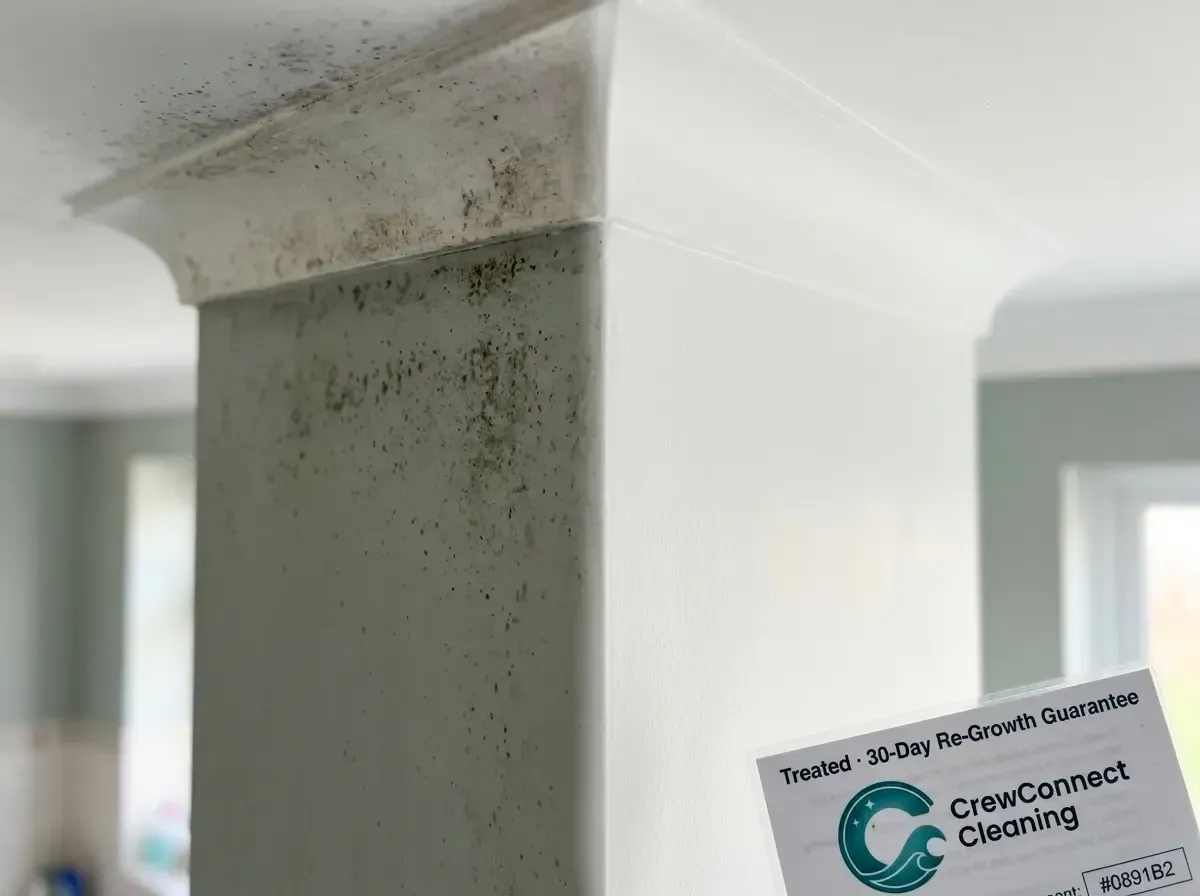
Not all mould needs professional removal. A small patch of surface mould on bathroom tiles can be handled with off-the-shelf products and better ventilation. But you should call a professional mould removal service when:
• Mould covers an area larger than 1 square metre
• Black mould is present (dark green/black, often slimy or powdery)
• Mould keeps returning after cleaning
• Anyone in the property has respiratory symptoms, allergies, or a compromised immune system
• Mould is behind walls, under flooring, or in places you can't reach
• The property smells musty even when you can't see mould (this may also indicate contamination requiring specialist cleaning)
• You're a landlord dealing with a tenant complaint
TESTIMONIALS
What Our Mould Removal & Contamination Customers Say About Us
The Process
3 Step Process For Your Mould Removal & Contamination Needs

Contact Us
Start by completing the 'Get a Free Quote' form on our website to share your Mould Removal & Contamination needs with us.

Schedule Your Estimate
Next, we'll arrange a property visit at a time that works for you to provide an in-person estimate for your Mould Removal & Contamination needs.

Get The Job Done
After you approve our estimate, we'll schedule a date to complete the job. Our team will work hard to exceed your expectations!
F.A.Q
Frequently Asked
Questions
Here are answers to common questions about our cleaning services.
How much does professional mould removal cost?
For a single room, expect to pay between £180 and £800 depending on the severity and surface type. Whole-property remediation starts at around £800 and increases with the scale of contamination. We provide a fixed quote after assessment — no surprises.
Is mould removal the landlord's or tenant's responsibility?
If the mould is caused by a structural issue — leaks, rising damp, inadequate ventilation — it's the landlord's responsibility. If it's caused by tenant lifestyle (not ventilating, drying clothes indoors with windows sealed), it gets more complicated. Our assessment report documents the root cause, which helps settle the question.
Is mould dangerous to health?
Yes, particularly for people with asthma, allergies, or weakened immune systems. Mould releases spores that cause respiratory irritation, allergic reactions, and in severe cases can lead to fungal infections. Black mould (Stachybotrys) produces mycotoxins that are especially harmful with prolonged exposure.
Will mould come back after removal?
Not if the root cause is fixed. If you remove the mould but don't address the moisture source — the leak, the condensation, the poor ventilation — it will return. That's why our approach includes prevention advice and root cause identification, not just surface treatment.
Do you treat the cause of the mould or just remove it?
Both. We remove the existing contamination and identify the moisture source driving it. We'll make recommendations for fixing the cause — whether that's improving ventilation, repairing a leak, or upgrading extraction. If the fix requires another trade, we'll tell you exactly what's needed.
How long does mould removal take?
A single room typically takes half a day to a full day. Larger jobs involving multiple rooms or material removal can take 2-3 days. We'll give you a clear timeline after the initial assessment so you can plan around it.
Do you offer free mould surveys or assessments?
Yes. We provide free initial assessments for properties across South Wales. We'll visit, identify the issue, and give you an honest recommendation — including telling you if it's something you can handle yourself. Call 07350 136763 to book.
Can you just paint over mould?
No — and this is one of the most common mistakes we see. Painting over mould traps it beneath the surface where it continues to grow. Anti-mould paint has its place as a preventative measure after proper treatment, but it's not a substitute for removing the contamination and fixing the moisture source.
Request A Free Mould Removal & Contamination Quote
Get Free Quote



CONTACT INFORMATION
SERVICES
SERVICE AREAS
OPERATING HOURS
Office Hours:
Mon to Sun
9:00am - 5:00pm
Cleaning Hours:
24/7
Privacy Policy | Term & Condition | FAQ
Copyright © 2026 CrewConnect Cleaning. All rights reserved.